
OBEY

I hate the word obey.
I hate being told what to do.
I’m a rebel at heart.

Maybe you feel the same. Something in us flinches at commands, especially when they come wrapped in confusion or control. For many of us, the word “obey” carries the weight of rules that didn’t make sense, punishments that felt unjust, or commands that seemed more about fear than love.
As I look back at my childhood, there are many things I am grateful for, although there are also things I grieve.I was raised in a strict environment, where even words of love were often overshadowed by words of fear and correction. It wasn’t that love was absent, but it often came tangled with warnings, punishments, and expectations. Over time, that mixture shaped something in me: a resistance to authority itself. If I couldn’t trust those voices, I told myself, then I could only trust my own.
But here’s the problem: self-rule hasn’t worked either.
I thought freedom meant refusing to let anyone tell me what to do—even God. But when I’ve followed only my own desires, I’ve discovered how quickly they betray me. I’ve said yes to things that left me empty. I’ve resisted the very commands that would have given me life. Somewhere along the way, my distrust of authority morphed into a deeper problem: distrust of God.
And so when God calls me to obey, it can feel like stepping back into those old shadows. Even when I know His commands are good, even when His Word warns me away from things that will wound me, there’s still something inside that stiffens. A gag reflex of the soul.
And so I’ve lived with a paradox. I don’t feel safe to trust the voices of control I grew up under. But when I trust only myself, I end up just as broken.
That’s why obedience has felt so impossible. I’ve carried wounds from the past, yes. But even more, I’ve carried the illusion that I could be my own trustworthy authority. And the evidence of my life shows otherwise.
And yet…
When I look at Jesus, I see something different.
Jesus obeyed not through gritted teeth, but through trust.
Not as a slave to power, but as a Son who knew His Father’s heart.
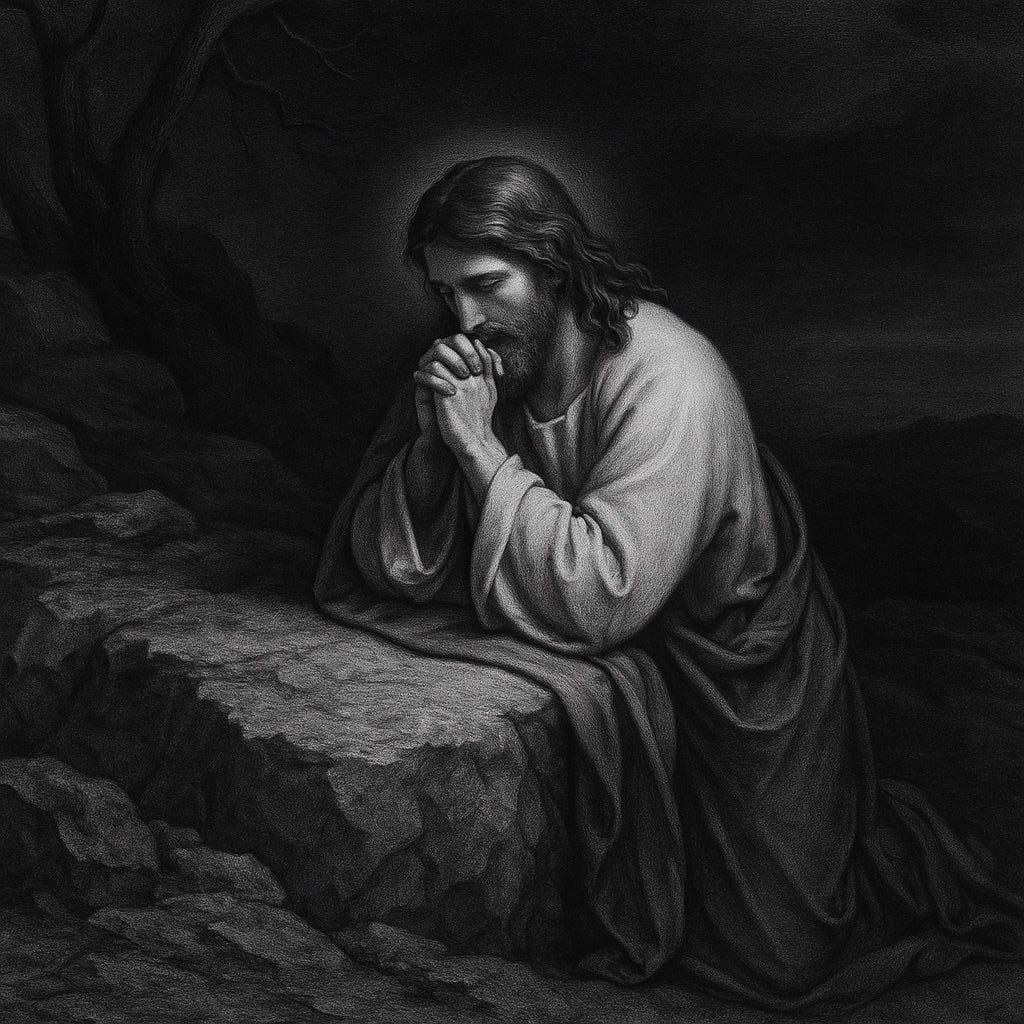
“My food is to do the will of Him who sent Me” (John 4:34).
For Jesus, obedience was nourishment. It was life. It was joy.
He didn’t see obedience as the death of freedom, but as the way to stay in the Father’s love. His submission was not self-erasure, but self-forgetfulness—a laying down of His will because He trusted His Father more than He trusted Himself.
And here is the beauty of the gospel: His obedience wasn’t only His. It was ours.
“For as by the one man’s disobedience the many were made sinners, so by the one man’s obedience the many will be made righteous” (Romans 5:19).
We are not saved by our shaky obedience. We are saved by His perfect obedience in our place. Every time we resisted, He trusted. Every time we rebelled, He said yes. His obedience covers our rebellion and begins to heal it.
This is the good news that makes my heart breathe again: I don’t obey to earn love. I obey because I am loved. Slowly, by the Spirit, even the word “obey” can be rewritten—not as a chain, but as a homecoming. Not as fear, but as freedom.
And as I set this day aside to Sabbath and reflect, I realize maybe that’s what Sabbath is: learning again that I am not defined by what I do, but by what Christ has done. Resting in His obedience, not mine. And from that rest, stepping into a new kind of yes.
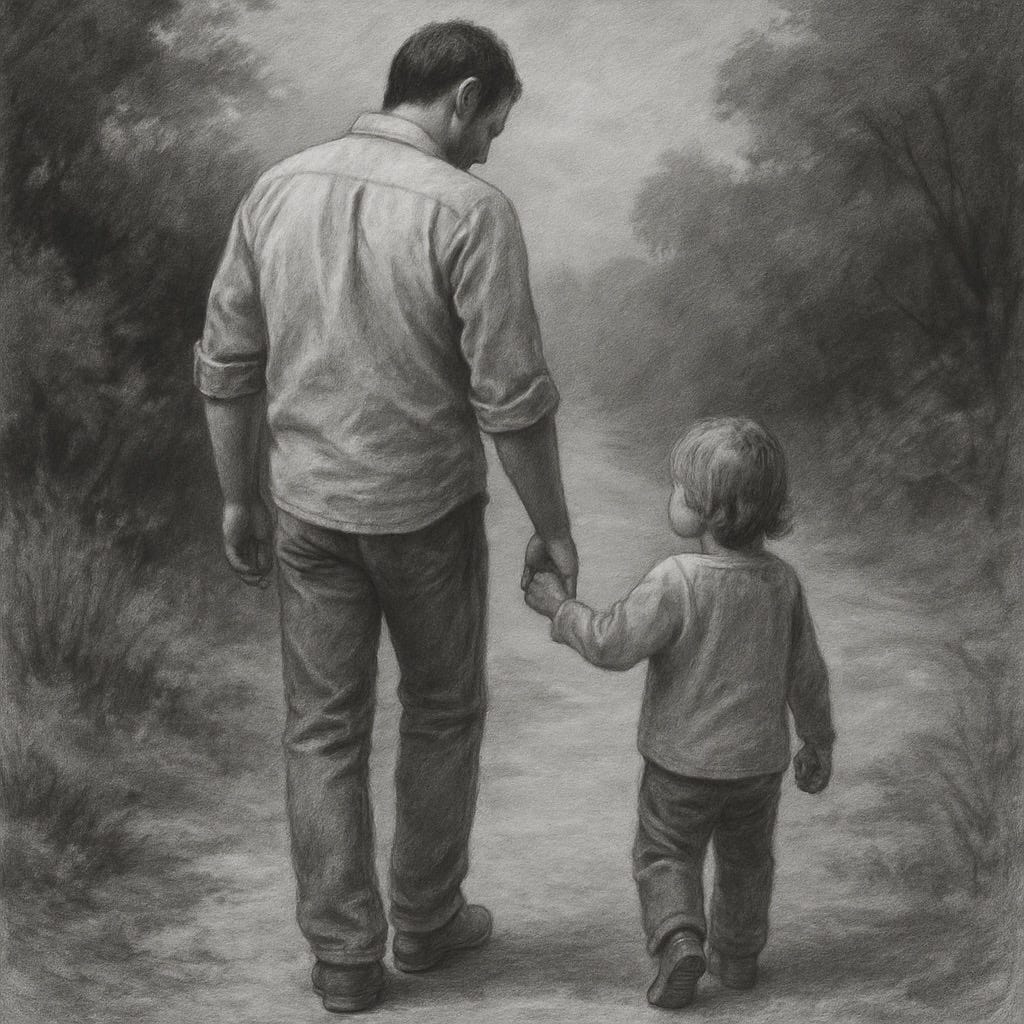
A Prayer of Obedience as Love
Father,
I confess that obedience has often felt heavy—
tied to fear, confusion, and shame.
But You are not like that.
You are gentle and lowly,
abounding in steadfast love.
Lord Jesus,
thank You for obeying in my place.
Not from fear,
but from joy and trust in Your Father.
Clothe me in Your obedience.
Let Your “yes” become my “yes.”
Holy Spirit,
rewrite this word in my heart.
Make obedience not a chain, but a homecoming—
the path of love, the way of rest.
Today I rest in You.
Today I trust You.
Today I say yes, because I am Yours.
Amen.